How Precious Metal Refining Maximizes Value from Gold, Silver, and Platinum Scrap
Precious metals such as gold, silver, and platinum are valuable not only in their pure form but also in scrap materials, industrial byproducts, and outdated electronics. However, without proper refining, much of that value can be lost. Understanding how professional precious metal refining works can significantly increase recovery rates, profitability, and sustainability.
Prajawal Bhosale
3/2/20263 นาทีอ่าน
Understanding Premium Precious Metal Recovery
Precious metal recovery refers to the processes and techniques employed to extract valuable metals from a variety of sources, such as electronic waste, jewelry, industrial remnants, and natural deposits. These metals, which include gold, silver, platinum, and palladium, hold significant economic and environmental value. Understanding the importance of precious metal recovery is crucial, as it not only contributes to the conservation of these finite resources but also minimizes environmental impacts associated with metal mining and disposal.
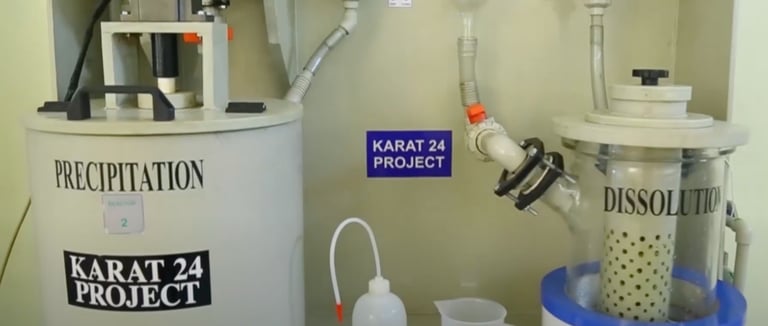
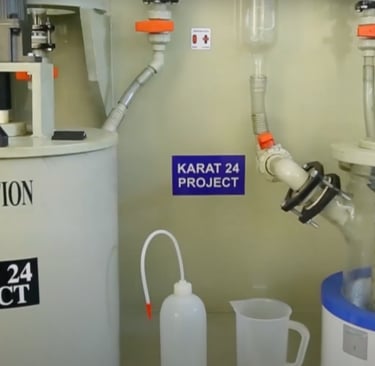
The recovery of precious metals has gained substantial attention due to its dual benefits—reducing the need for mining and lessening the environmental burden linked to under-regulated mining operations. Techniques for precious metal recovery vary widely, encompassing both traditional and modern methodologies. Common practices include fire assay, cyanidation, and hydrometallurgical processes, which facilitate efficient extraction methods suitable for different types of metal sources.
Fire assay, one of the oldest methods, uses high temperatures to separate precious metals from ores or other materials. Cyanidation, on the other hand, has become popular for recovering gold and silver due to its high efficiency in leaching techniques. In more contemporary settings, hydrometallurgical processes utilize aqueous solutions to recover metals from their complexes, presenting a safer alternative to more hazardous methods.
Ultimately, the growing emphasis on recycling and sustainability has made precious metal recovery increasingly relevant. By investing in effective recovery techniques, industries can reduce costs and contribute to a circular economy while promoting responsible metal usage and environmental stewardship. As awareness of these practices expands, so too does the potential for innovation within the field, paving the way for more efficient and eco-friendly solutions for precious metal recovery.
The goal is clear: maximize metal recovery while maintaining purity standards.
1)Why Recovery Efficiency Matters
Even small percentage losses during refining can mean significant financial loss—especially when dealing with gold or platinum.
High-efficiency refining provides:
Higher metal yield
More accurate settlements
Reduced processing loss
Better return on scrap materials
Advanced refining systems are designed to extract even trace amounts of precious metals from complex materials.
2) Capturing the "Invisible" Metals
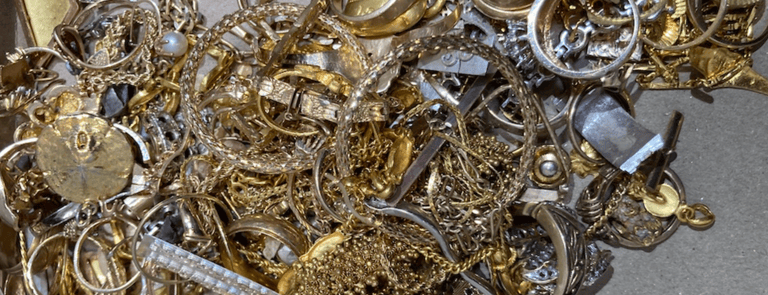
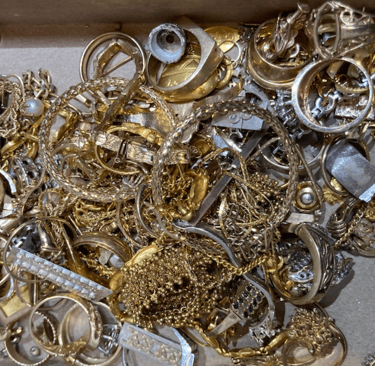
Many people don’t realize that "gold scrap" often contains "companion" metals. A piece of 18k white gold isn’t just gold; it likely contains silver or even palladium.
The Middleman: Only pays you for the primary metal (gold).
GLS Techno Thai: Our refining process separates and recovers all constituent precious metals. If there’s silver in your gold alloy, we recover it, adding to your final payout.
3)The Importance of Proper Pre-Refining Preparation
One overlooked step in precious metal recovery is material preparation.
For example, jewelry pieces often contain gemstones that must be safely removed before refining begins. Professional stone removal ensures:
Protection of diamonds and gemstones
Accurate precious metal weight measurement
Improved refining efficiency
Proper sorting and preparation can dramatically impact final recovery results.
4)The Efficiency of Modern Pyrometallurgy
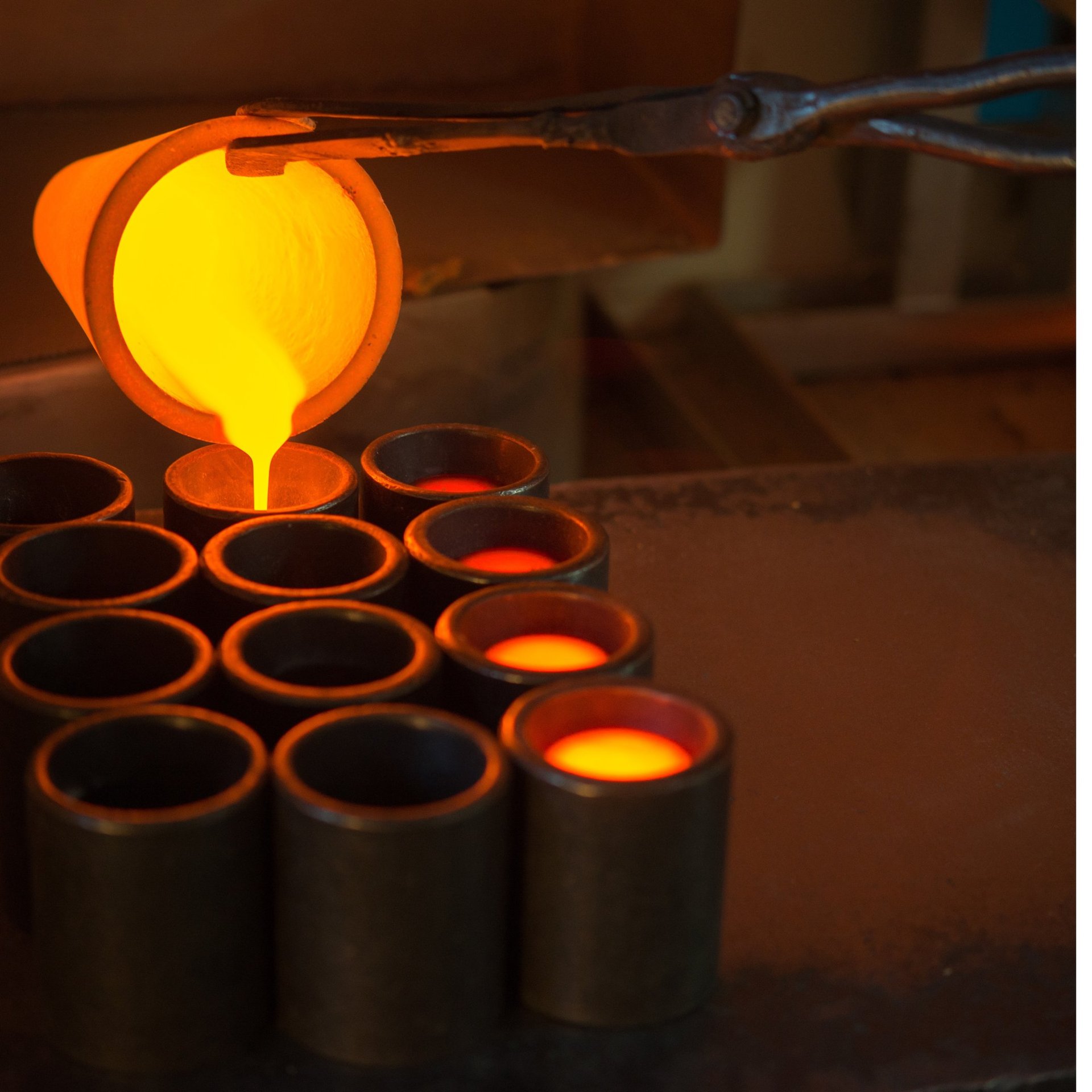
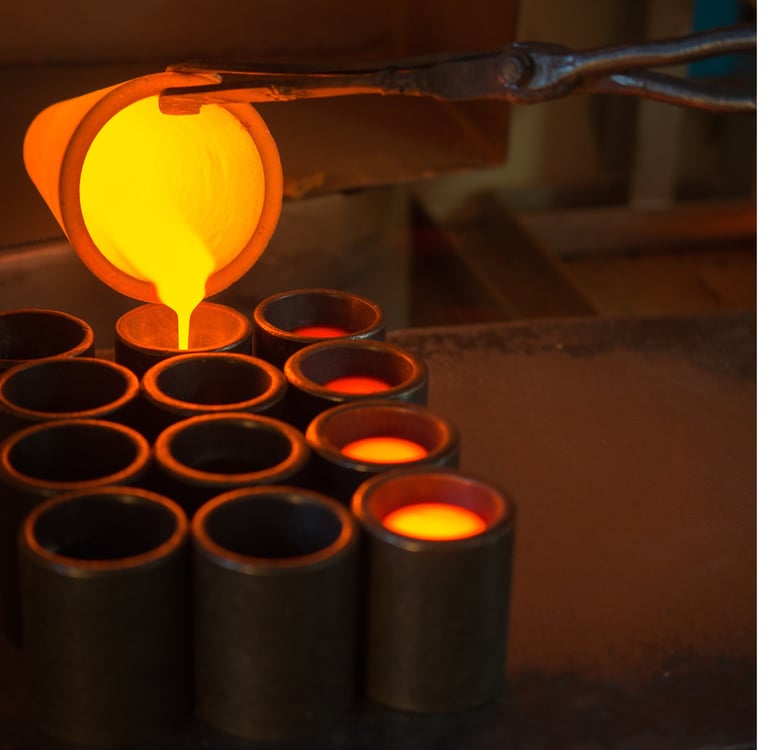
Maximized value comes from minimized loss. Traditional "backyard" melting can result in "slag" that traps precious metal particles, effectively throwing money away. We utilize Induction Melting and Eco-Efficient Refining systems. These high-frequency furnaces create a perfectly homogenous melt. This means that when we take a sample for testing, that sample perfectly represents the entire batch. No "dead spots," no trapped gold—just 99.9% recovery efficiency.
5) Sustainability is the New Gold Standard
In 2026, the value of metal isn't just financial; it's reputational. "Green Gold" and recycled platinum command a premium in the modern market. By refining your scrap, you are participating in a circular economy.
Energy Savings: Refining recycled silver uses roughly 95% less energy than mining new silver.
Market Demand: More manufacturers are seeking "Certified Recycled" metals, meaning your refined bullion is easier to sell and often more valuable to eco-conscious buyers.
6) Industries That Benefit from Professional Refining
Professional precious metal refining supports not only individuals but multiple industries:
Jewelry manufacturing
Electronics recycling
Automotive catalytic converter processing
Mining operations
Industrial fabrication
Any sector that uses or handles precious metals can recover significant value through professional refining services.
Get Maximum Recovery
Scrap is only "scrap" until it meets a professional refiner. By focusing on precision assaying, multi-metal recovery, and direct-to-refinery transparency, you transform industrial waste into a high-yield financial instrument.
Ready to see what your scrap is really worth?
Contact the GLS Techno Thai team today for a transparent, high-precision assay of your gold, silver, or platinum materials.